Return to Uzone News Portal

What Is Cloud Technology or Cloud Service ?
Cloud computing is the use of the provision of computing resources i.e., servers, storage capacity, databases, networks, applications, and analytics “in the cloud” (on the web) in a manner that allows for faster innovation, flexible capabilities, and economies of scale.
Instead of the traditional approach of owning and maintaining expensive physical servers or private data centers, modern businesses can now rent access to highly sophisticated technical services from leading cloud vendors such as Amazon Web Services (AWS), Microsoft Azure, or Google Cloud Platform (GCP). In a nutshell, cloud computing utilizes the internet to provide IT services in a pay-per-use and on-demand manner, ensuring that companies only pay for what they actually use.
In a nutshell : Cloud computing encompasses the use of the internet in a pay-per-use and on-demand way for providing IT service.
Main Cloud Computing Service Service Mode
Cloud services are generally categorized into three primary layers, each offering a different level of control and flexibility:
1. Infrastructure as a Service (IaaS)
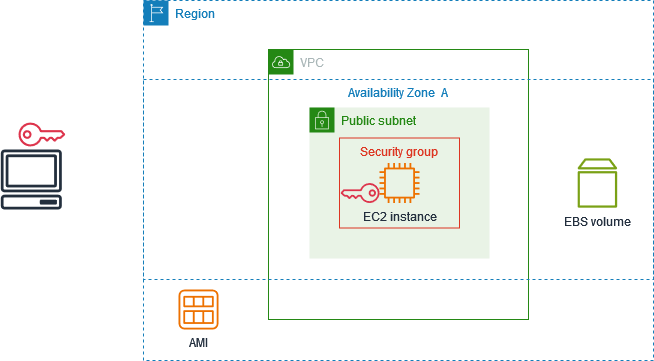
IaaS provides the fundamental building blocks of cloud IT. It offers virtualized computing resources such as servers, storage, and networking. This allows businesses to build their own systems without managing physical hardware.
Example IaaS : Amazon EC2
2. Platform as a Service (PaaS)
PaaS removes the need for businesses to manage the underlying infrastructure (usually hardware and operating systems) and allows them to focus on the deployment and management of their applications. It offers a comprehensive development environment for building, testing, and running software.
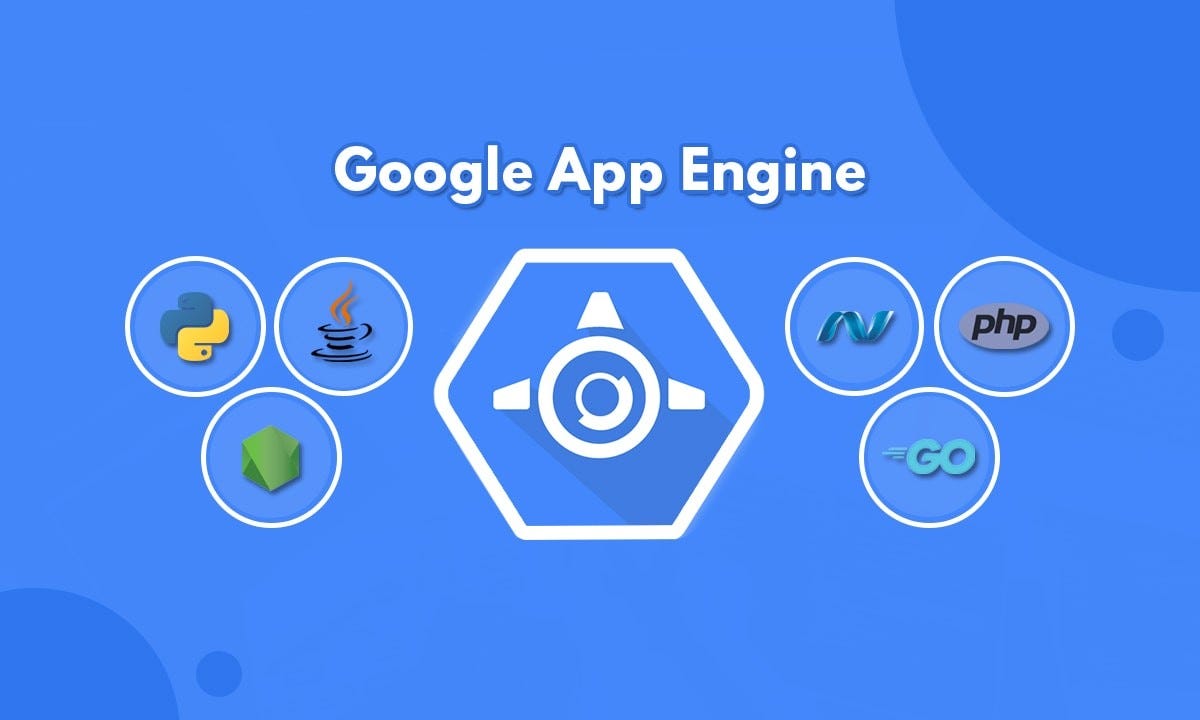
Examples: Google App Engine, Heroku.
Example Paas : Google App Engine
3. Software as a Service (SaaS)
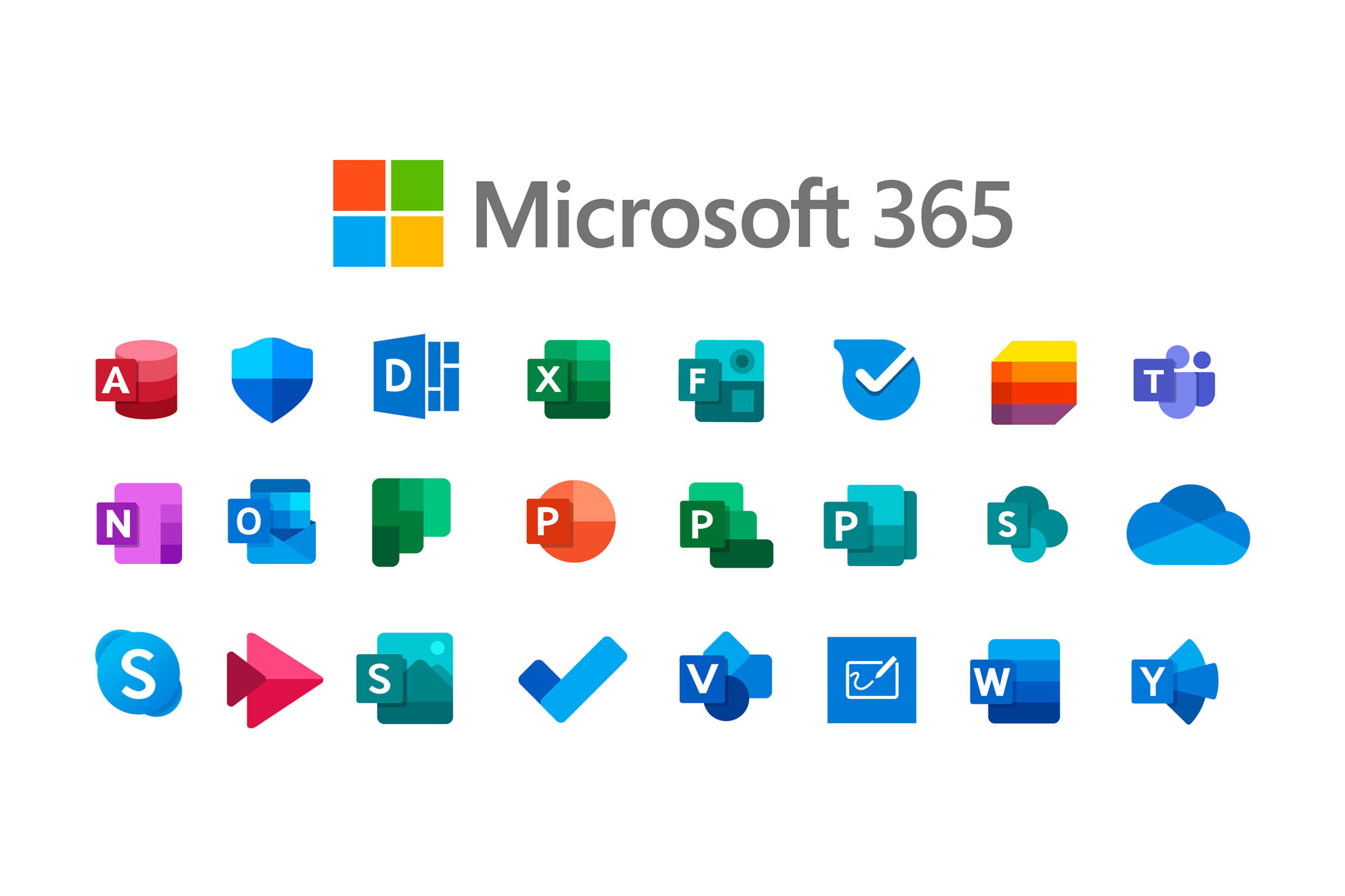
SaaS is the most familiar version of the cloud for many. It provides complete software products that are hosted on the internet and usually accessed via a subscription. The vendor manages everything from the hardware to the software updates.
Example SaaS : Microsoft 365
Why Business Today Requires Cloud Computing?
The shift to the cloud is driven by several critical advantages that traditional on-premise systems simply cannot match:
1. Scalability On-Demand Scalability on
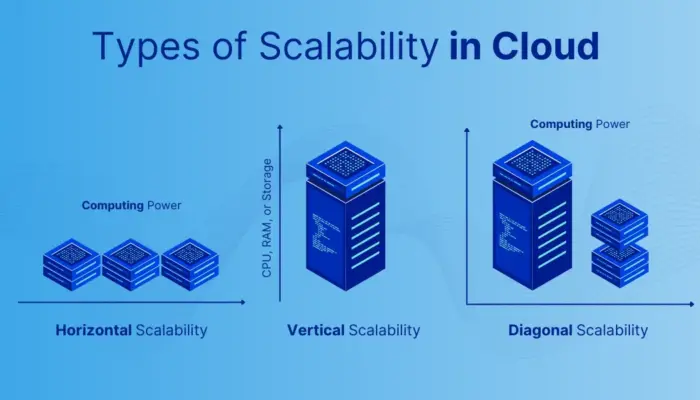
One of the most powerful features of the cloud is the ability to easily down- or up-scale resources in a matter of minutes. This allows businesses to handle sudden spikes in web traffic or seasonal demands without overpaying for underutilized infrastructure during quieter periods.
2. Cost
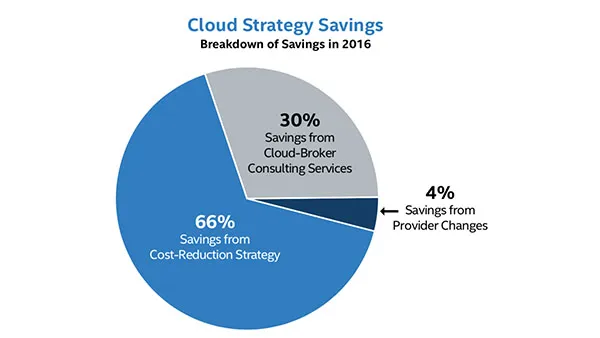
Cloud computing eliminates the need for heavy capital investments in hardware and IT infrastructure. By switching to an operational expense model, businesses lower their overhead and only pay for their actual consumption.
3. Remote Accessibility
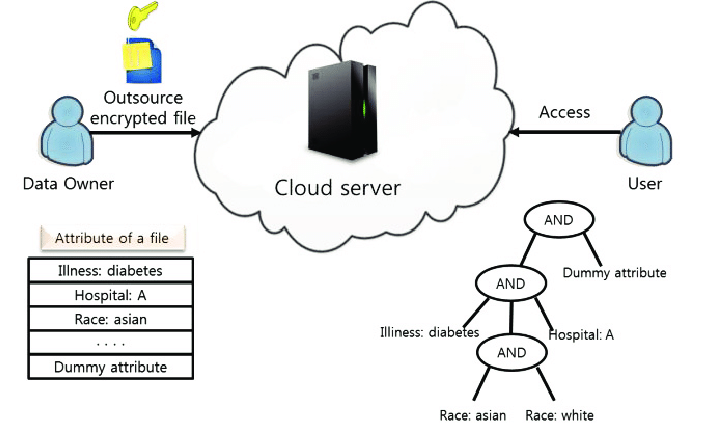
Cloud services are accessible from anywhere with a stable internet connection. This supports the modern need for remote work and global collaboration, which has become a strategic necessity in the post-pandemic business world.
4. Better Data Security
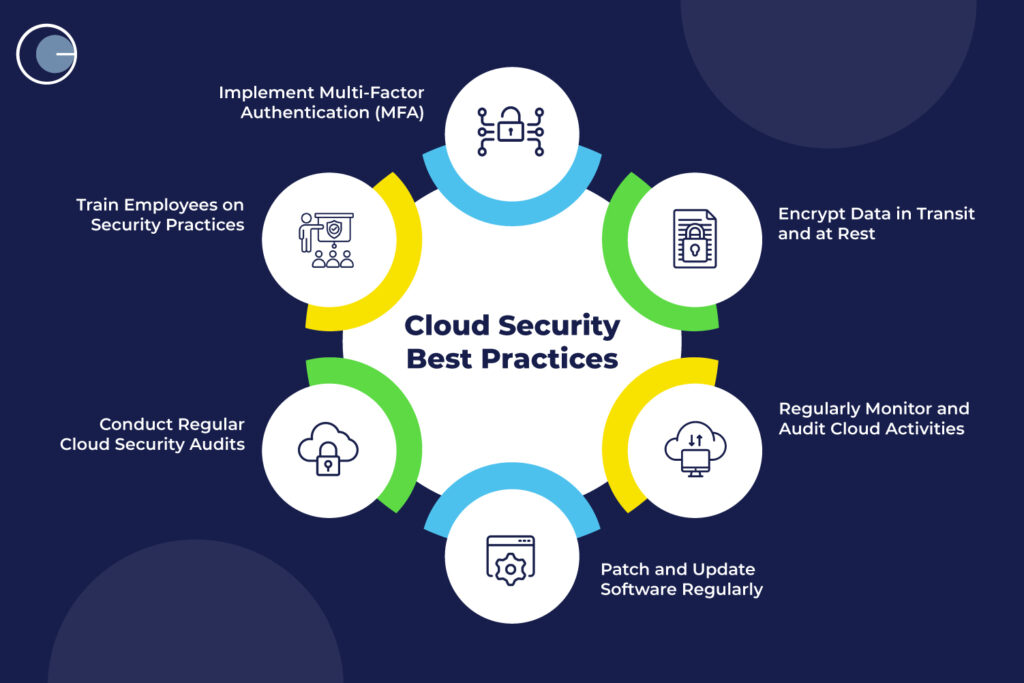
Major cloud providers invest billions in security infrastructure. They offer advanced features like data encryption, multi-factor authentication, and compliance with global standards (such as ISO 27001 and GDPR), providing a level of protection that most small-to-medium businesses could not achieve alone.
5. Automatic Updates and Maintenance
Cloud platforms feature inbuilt backup solutions and failover systems. This ensures that even in the event of a local disaster or a cyberattack, business data remains safe and systems stay online.
6. Business Continuity and Disaster Recovery
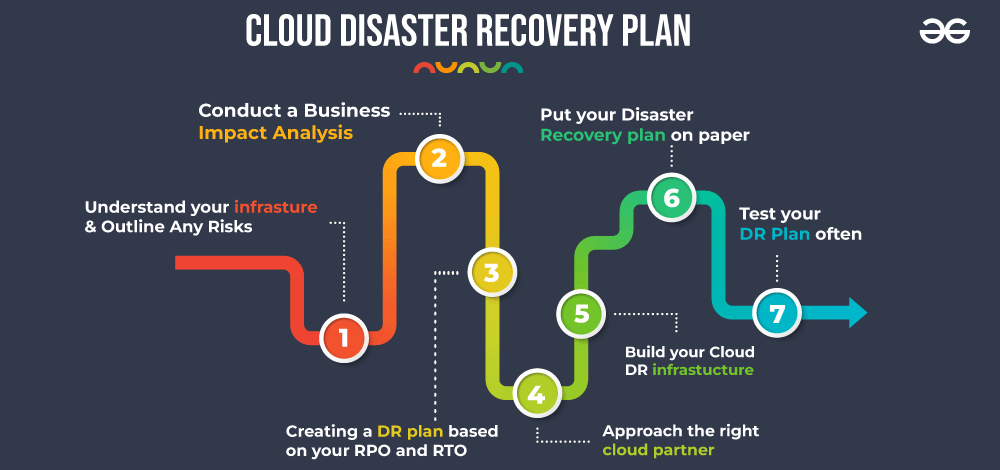
Cloud platforms have inbuilt backup solutions, data recovery, and failovers and thereby enable businesses to have uptimes even in the event of disasters or cyberattacks.
The Future Is in the Cloud
Cloud computing isn’t a trend—it’s a business transformation. It provides business innovation and business efficiency and business agility and also lower overhead and global collaboration opportunities. It’s no longer an option in the internet economy today—using cloud computing is a strategic imperative. Call to Action Are you set for a migration to the cloud? Begin exploring cloud solutions for you or seek a cloud guru in conceptualizing a custom migration plan. Don’t get left behind—choose the cloud and make business future-proof now