Return to Uzone News Portal

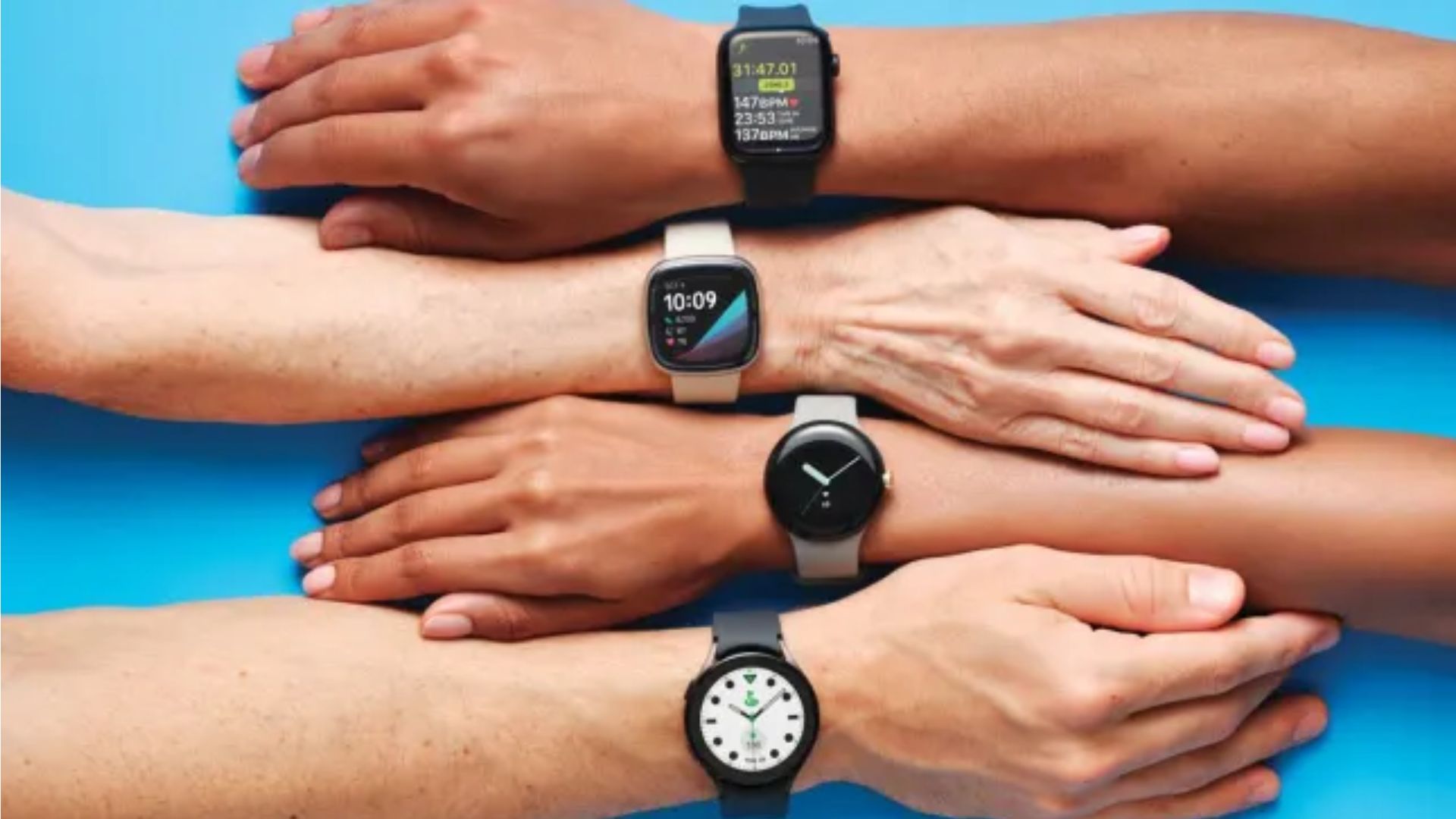
Healthy living has become one of today’s biggest trends. Exercise is no longer seen as boring. It’s now a social activity to share and celebrate online. Yoga and pilates classes are packed, marathon tickets sell out quickly, fitness equipment sales are rising, healthy restaurants are booming, and many people are adopting vegetarian lifestyles.
The pandemic years were a major wake-up call. Health, once taken for granted, suddenly became a top priority. People realized how vulnerable we are to viruses, leading to long-term changes in habits. Health protocols became second nature, and many began exercising and eating better to strengthen their immune systems.
Today, diseases like diabetes, hypertension, and heart conditions are no longer limited to older adults. They’re increasingly seen in younger populations. This shift has made people more aware of preventive care, encouraging them to adopt healthier lifestyles early on to avoid long-term consequences.
Why Smartwatch Dominate the Wearable Market
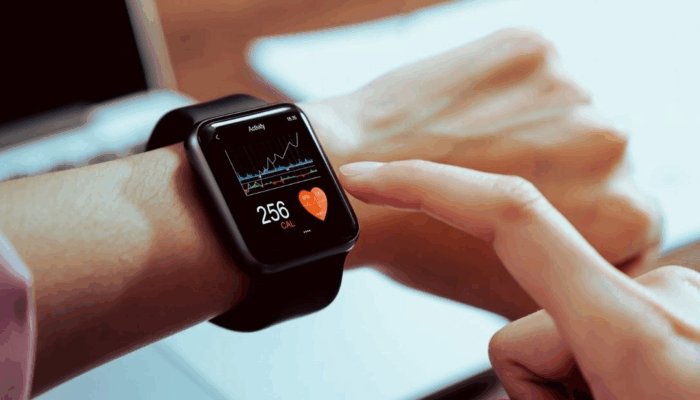
The health trend aligns perfectly with the rapid growth of wearable technology. Major brands are launching smartwatches and fitness trackers that monitor heart rate, steps, sleep quality, and even stress levels.
These data-driven insights help users better understand their bodies, making health management more personal, measurable, and motivating.
Among all wearables, smartwatches remain the most popular choice. They are typically integrated with smartphones, and in some ecosystems, users must pair devices from the same brand to access full functionality.
Smartwatches have become popular because they offer a wide range of features, from comprehensive biometric data such as heart rate, blood oxygen level, blood pressure, and body temperature to advanced functions like fall detection, emergency calls, location sharing, and GPS tracking.
The Technology
Modern smartwatch development involves a combination of advanced technologies to track activity, sleep patterns, heart rate, and location. While each manufacturer may use unique methods, most devices share several core technologies.
Sensors
To measure metrics like heart rate, steps, sleep patterns, and calorie expenditure, smartwatches rely on built-in sensors such as:
- Accelerometers, which detect motion and count steps.
- Gyroscopes, which measure orientation and movement.
- Magnetometers, which assist in heart rate monitoring when the device is close to the skin.
All sensor data are transmitted wirelessly to connected smartphone or desktop applications for visualization and analysis.

GPS
TheGlobal Positioning System (GPS) allows users to track their location without carrying a smartphone. The GPS module records distance, pace, and movement patterns, whether during a city walk or a gym workout.
Accurate GPS data enables fitness apps to deliver in-depth performance insights, such as average speed, best lap times, and estimated calories burned based on intensity and duration.
In some cases, GPS data also supports safety features like SOS alerts, allowing users to share their live location with emergency contacts when a critical situation occurs.
How to Choose the Right Smartwatch
There are now hundreds of smartwatch models available, both online and in retail stores. To find one that fits your needs, consider the following factors:
Compatibility
Most smartwatches support both Android and iOS systems, but always double-check. Some features work exclusively on one platform. Ensure your smartwatch is compatible with your smartphone’s operating system to access all features seamlessly.
Display Type
Smartwatches typically use one of two main display technologies: AMOLED or LCD, each offering distinct advantages.
AMOLED displays are popular for their high contrast, vibrant colors, and excellent visibility in dark modes — perfect for users who value aesthetics and clarity.
LCD displays, on the other hand, offer superior brightness levels (nits), making them ideal for outdoor use under direct sunlight where visibility is crucial.
Choosing the right display depends on your lifestyle and usage preferences.
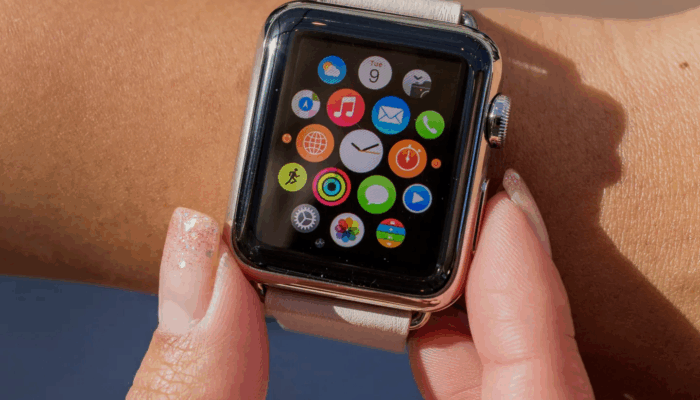
So, the integration of wearable technology and health data analytics is redefining personal wellness. Smartwatches not only track fitness but also serve as intelligent health companions — capable of detecting irregularities, enhancing user safety, and motivating healthier living.
As innovation in sensors, AI algorithms, and connectivity continues, wearable devices will play an even bigger role in the future of smart health ecosystems — bridging the gap between technology, medicine, and human wellbeing.